
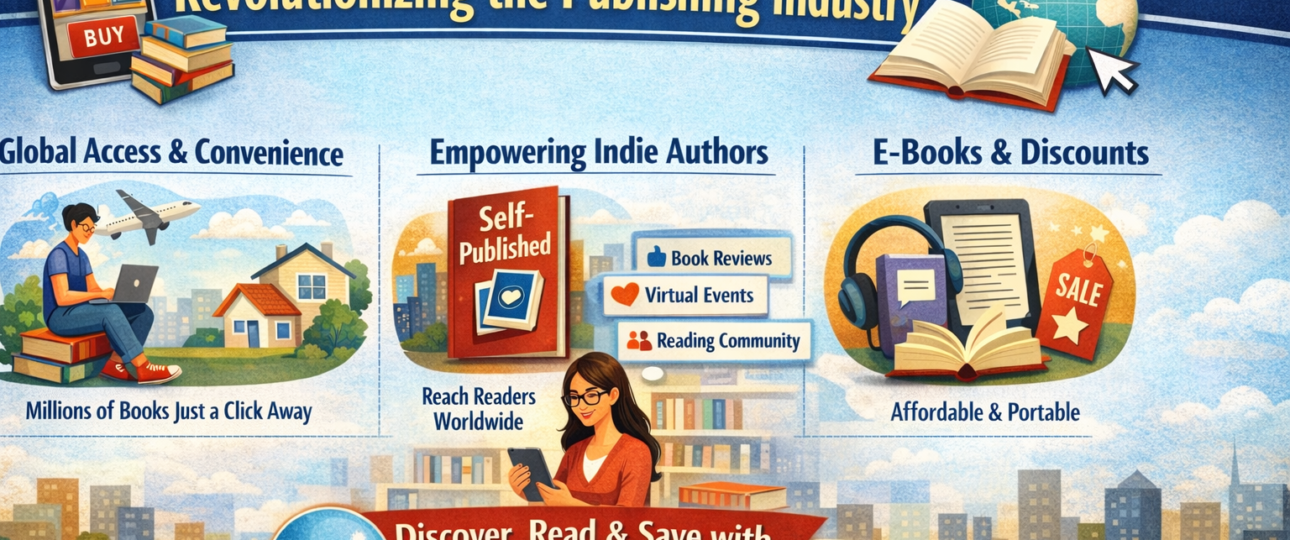
The rise of online bookstores has dramatically transformed the way people discover, purchase, and engage with books. What was once limited to physical stores with constrained shelf space has now evolved into a limitless digital marketplace, offering readers access to millions of titles from across the globe. This shift has not only changed consumer behavior but has also redefined the entire publishing ecosystem.
One of the most significant advantages of online bookstores is accessibility. Readers no longer need to travel to a physical location or wait for a specific book to be stocked. With just a few clicks, they can browse genres, read reviews, compare prices, and have books delivered directly to their doorstep. This convenience has made reading more accessible to a wider audience, including those in remote areas where bookstores may not exist.
Another key impact is the democratization of publishing. Online platforms have opened doors for self-published authors and independent publishers, allowing them to reach global audiences without relying on traditional publishing houses. This has led to a surge in diverse voices, niche topics, and innovative storytelling that might have otherwise gone unnoticed. Readers now have the opportunity to explore unique content beyond mainstream bestsellers.
Personalization is also a major factor driving the success of online bookstores. Advanced algorithms analyze user preferences, browsing history, and purchase patterns to recommend books tailored to individual tastes. This enhances the reading experience and helps readers discover new authors and genres they might not have considered before.
In addition, online bookstores often offer competitive pricing and discounts, making books more affordable. Seasonal sales, bundle offers, and exclusive deals attract budget-conscious readers while increasing overall book consumption. The availability of e-books and audiobooks further expands options, catering to modern lifestyles where convenience and portability are key.
The integration of technology has also improved customer engagement. Features like user reviews, ratings, author interviews, and virtual book launches create an interactive experience that goes beyond simply buying a book. Social sharing and online reading communities foster discussions and build a sense of connection among readers worldwide.
However, the transformation is not without challenges. Traditional bookstores face increased competition, and the tactile experience of browsing physical books is something many readers still cherish. Despite this, the industry continues to adapt, often blending online and offline experiences to stay relevant.
In conclusion, online bookstores have revolutionized the publishing industry by making books more accessible, affordable, and diverse than ever before. They have empowered both readers and writers, creating a dynamic ecosystem that continues to evolve with technology.
Platforms like Octobooks are playing a vital role in this transformation. By offering a wide collection of titles across genres, user-friendly browsing, and attractive deals, Octobooks is helping readers discover new stories while supporting authors and publishers. As digital reading continues to grow, platforms like Octobooks are shaping the future of how we experience books.